uhcDOCS
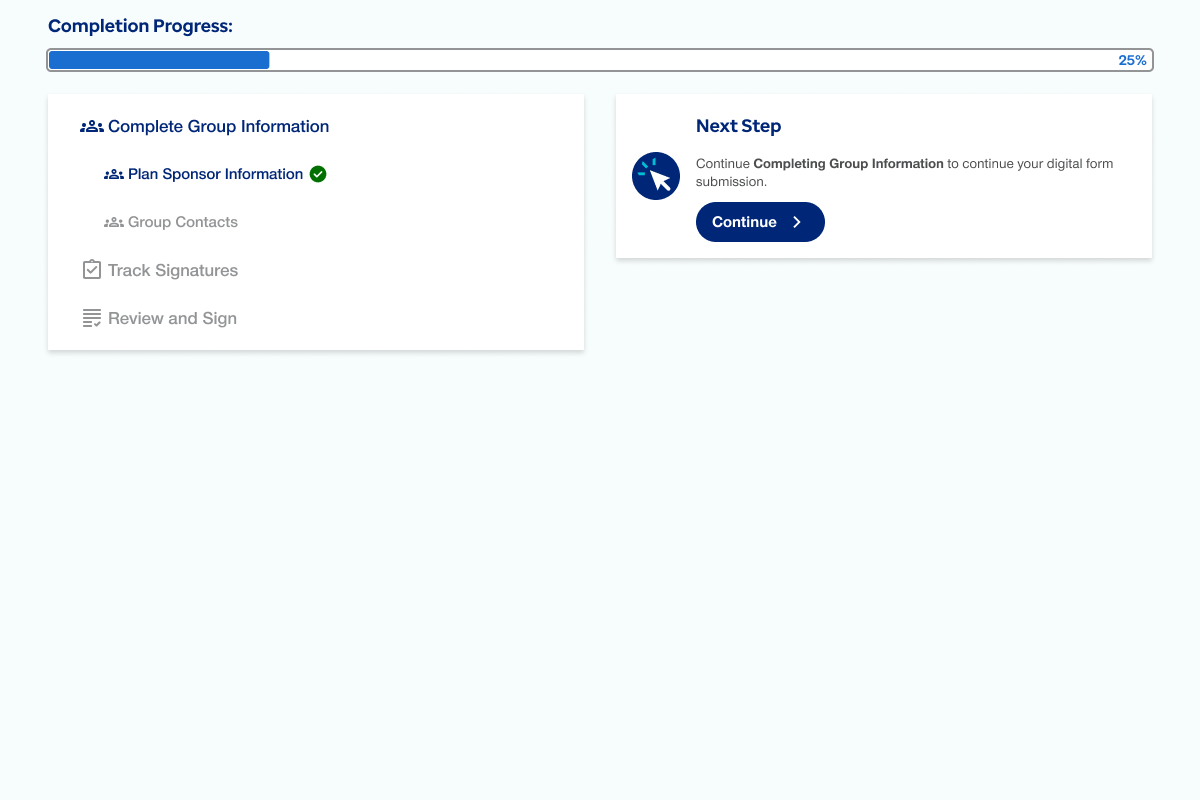
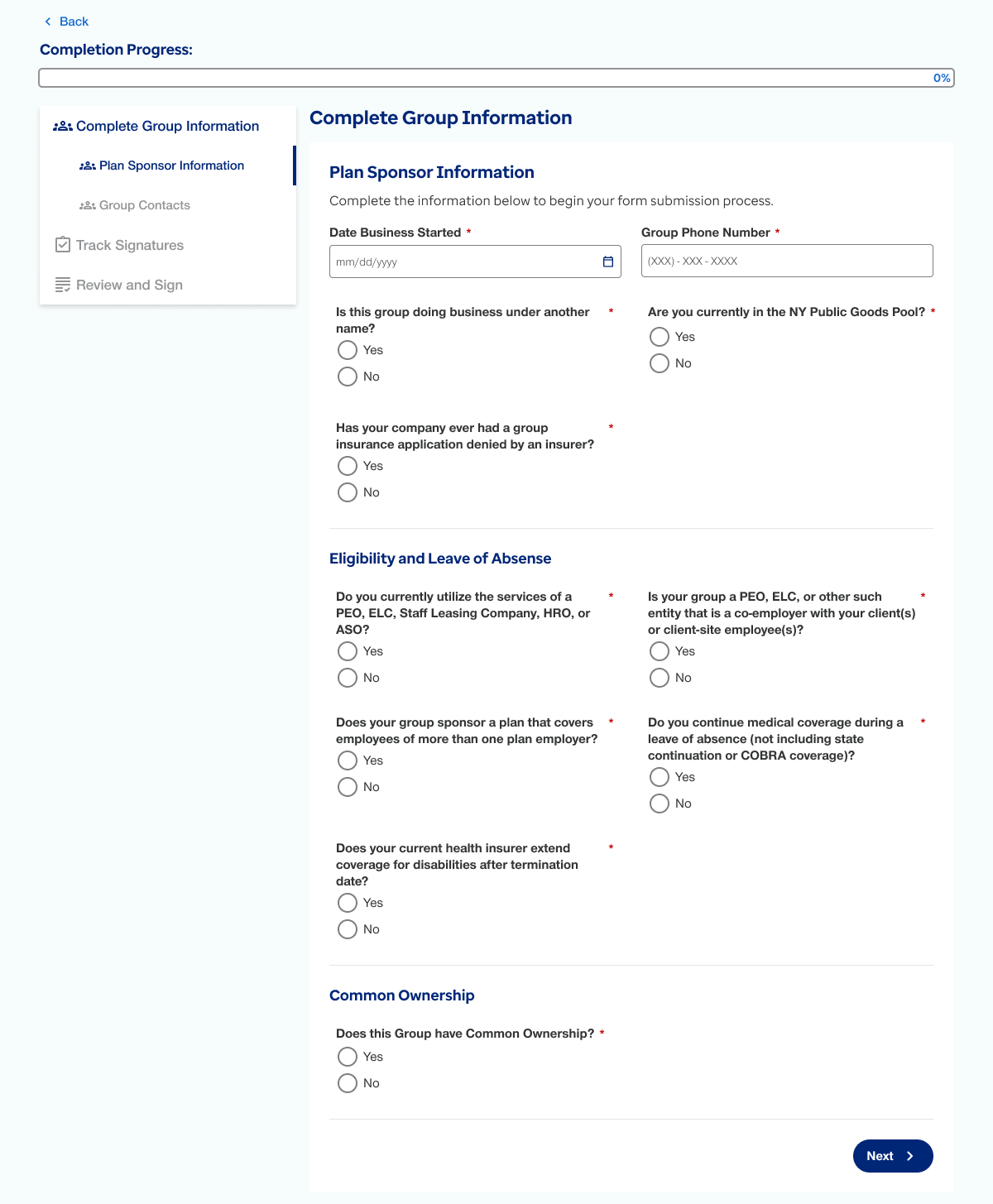
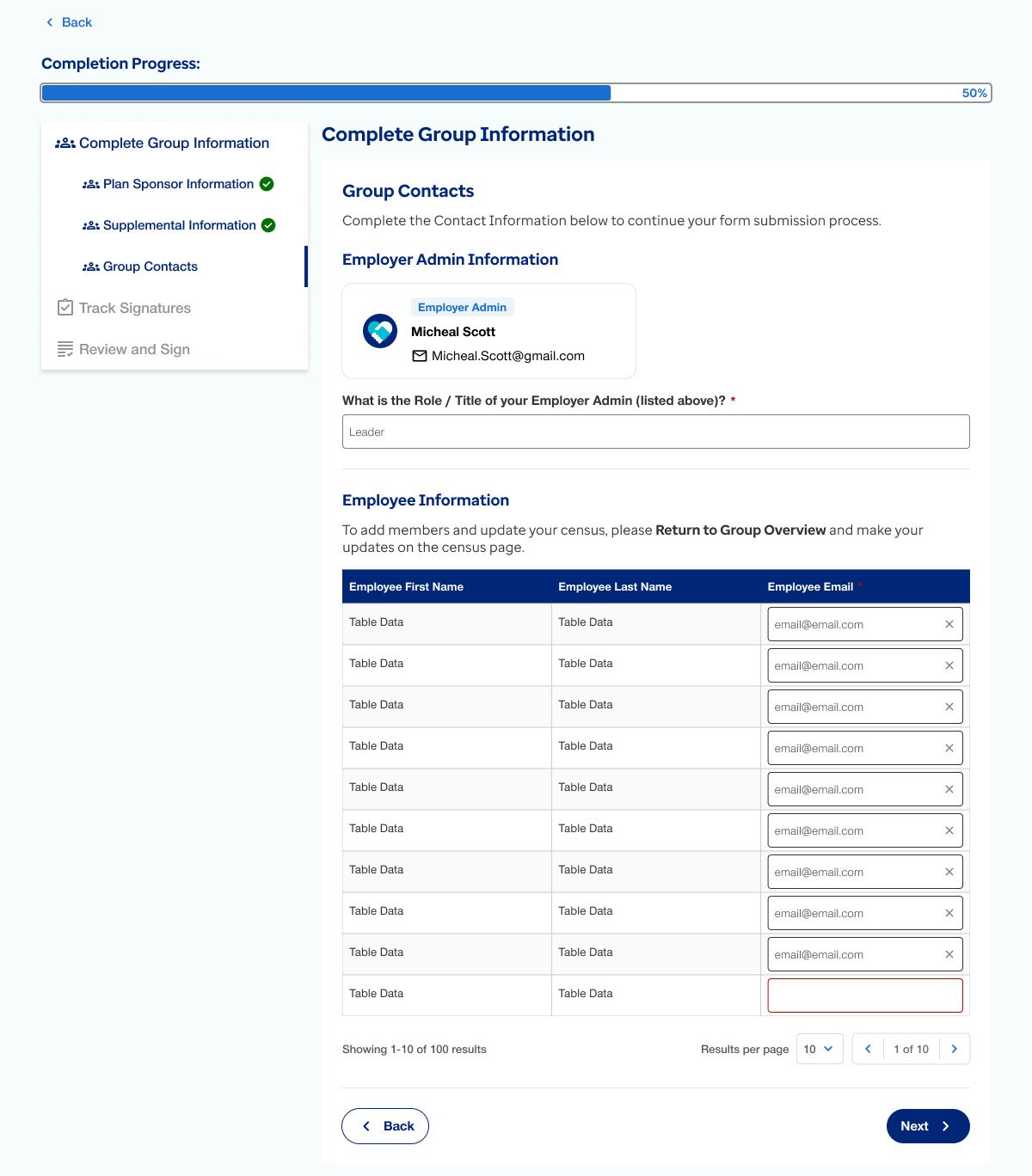
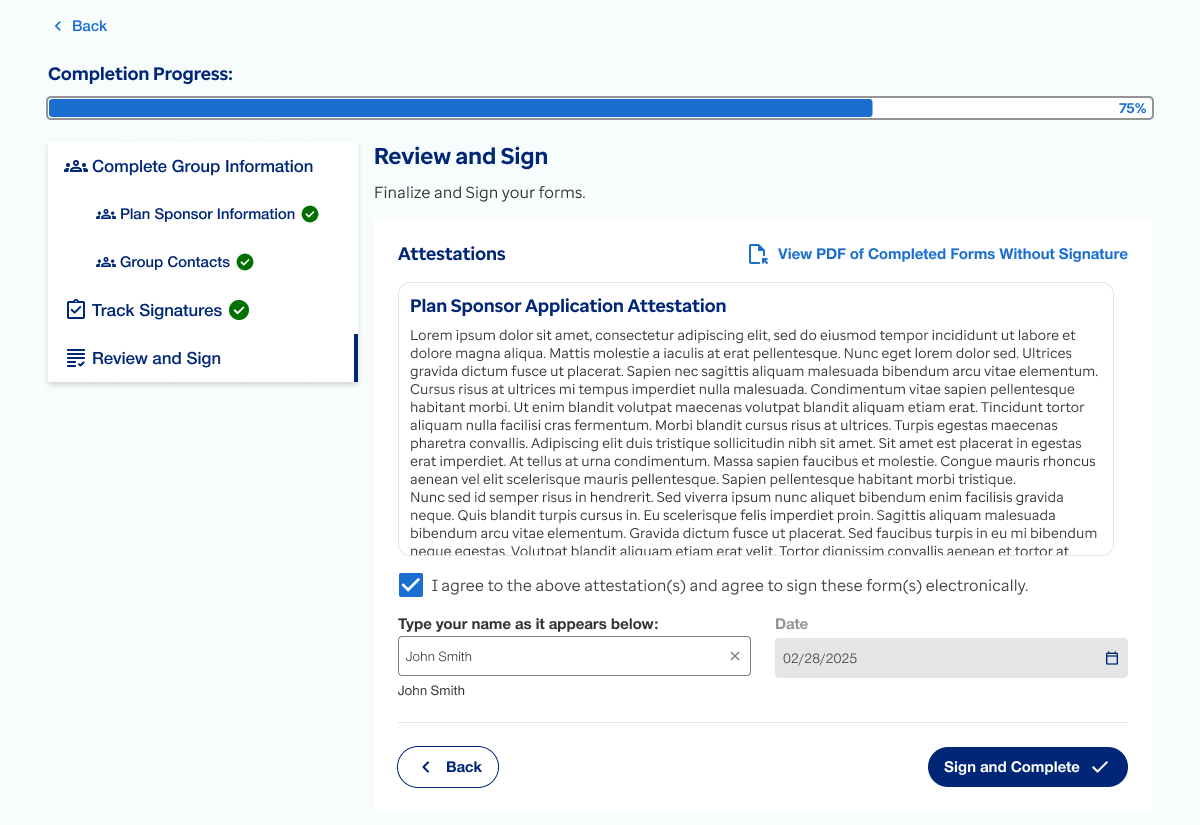
A digital solution transformed from paper forms for a leading healthcare provider.
*Some content has been redacted due to PII and confidentiality.
01 — Context
Context
- Role
- Software Engineer
- Timeline
- ~6 months
- Tools
- Figma, Visual Studio Code
- Team
- 2 designers, 6 engineers, 1 PM
02 — Discovery
Discovery
I started with an unglamorous audit: 40+ paper forms across intake, consent, and billing, catalogued down to every field, signature line, and conditional branch. Paper hides a lot of logic until you try to reproduce it.
Cross-referencing the support-ticket dashboards told me where to aim first — a handful of high-volume forms were responsible for the bulk of intake errors, so those became the beachhead.
03 — Problem & Alignment
Problem & Alignment
Whiteboarding with product support admins turned the audit into a shared pain-point list: transcription errors, slow intake, handwriting nobody could read, and no audit trail when something went wrong.
Legal, compliance, and IT all had a stake, so I framed the goal narrowly enough to get everyone to yes: replace the highest-volume paper intake forms with accessible digital equivalents — same legal weight, far less friction.
04 — Strategy & Product Plan
Strategy & Product Plan
The bet:don't design forms — build the library that builds the forms, so the next one is assembled in days instead of weeks.
What "good" meant: completing a form should be meaningfully faster than the paper version, mistakes should be caught inline before submit, and every component had to hold WCAG 2.1 AA — non-negotiable in a healthcare intake flow.
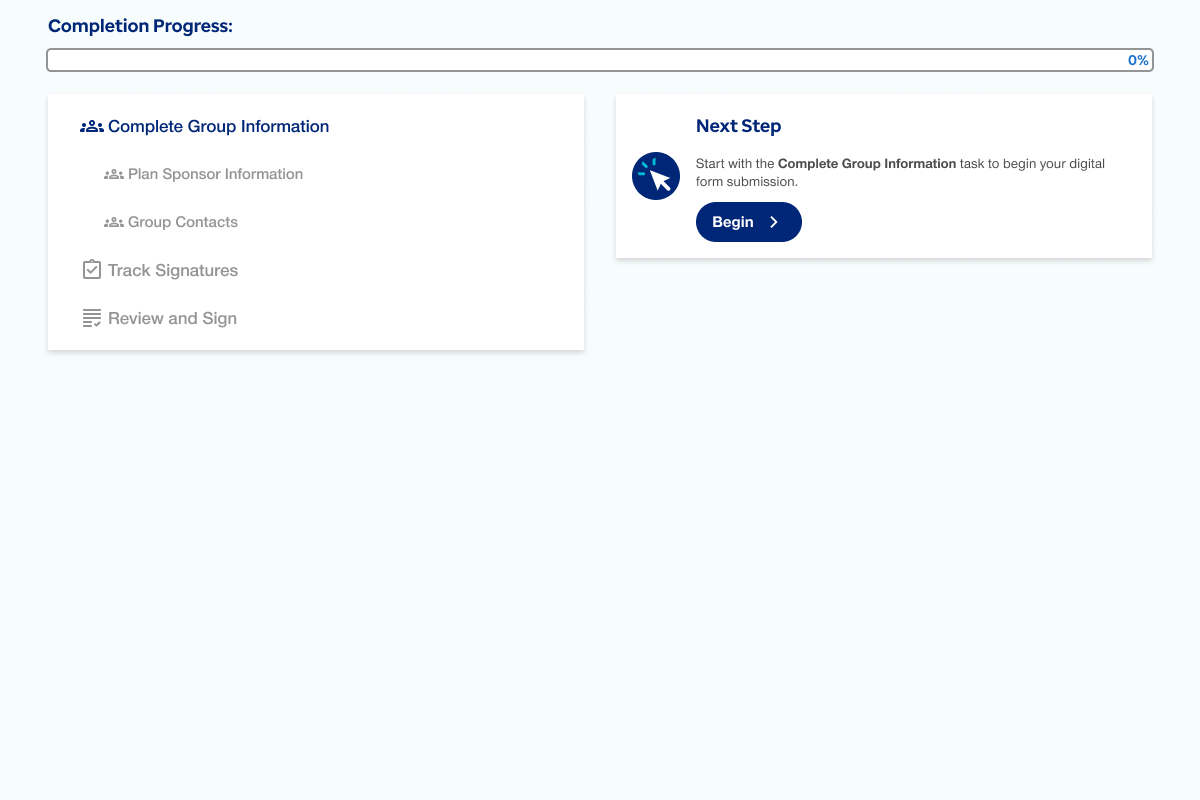
How it was built: tokens first (color, type, spacing), then primitives (button, input, alert, progress), then the form patterns on top (multi-step, conditional, review-and-submit).
How we kept it honest: bi-weekly usability sessions with product support admins, a design crit with engineering every sprint, and a full accessibility audit before each release.
05 — Takeaways & Outcomes
Takeaways & Outcomes
The documented library got adopted by two product squads. In the pilot, forms were noticeably faster to complete and intake errors dropped off — but the quieter win was a shared vocabulary between design, engineering, and clinical ops, which meant fewer one-off form designs and faster handoff on every new request.
What I took from it: the tokens weren't the interesting part — pairing them with real handoff documentation is what actually stopped the spec drift.
Selected screens